

Introduction
Planning your wedding can bring a flood of questions — and when it comes to roles like the “best man,” one of the most common is: How many best men can you have? This article gives you the answer right away, then dives deep into considerations, traditions, etiquette, and practical tips so that your wedding party reflects you and your relationships.
Whether you’re the groom wondering how to choose, or you’re coordinating the wedding party, this article will help you understand:
- The traditional norm and how it’s evolved
- What wedding-etiquette experts say
- Pros and cons of having more than one best man
- How to divide duties, handle logistics, and communicate roles
- How French-style weddings may differ slightly (or not)
- And a checklist so you feel confident whether you pick one, two or more
If you’ve ever Googled how many best men you can have, this answers it quickly and then gives you everything you need to make the decision and execute it smoothly.
How Many Best Men Can You Have at a Wedding?
You can have one, two or even more best men — there’s no strict rule limiting the number; the key is to choose what feels right for you and clearly define each person’s role.
Why the Tradition Started
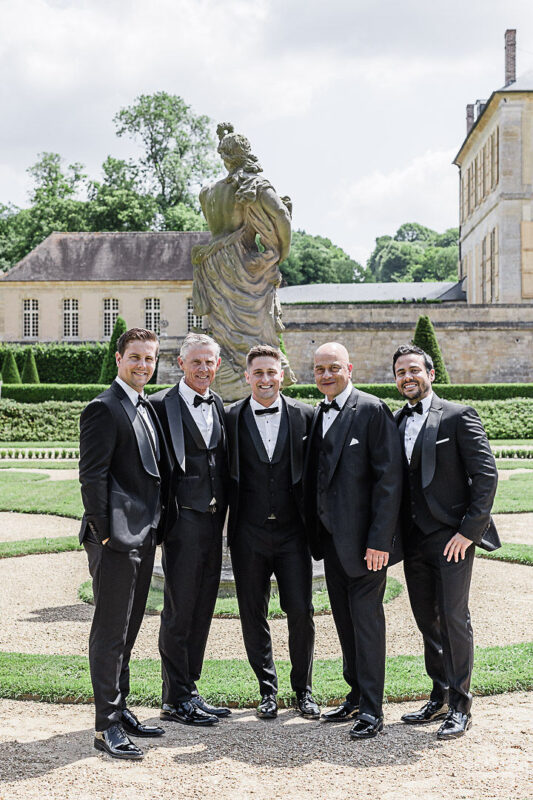


Before diving into how many best men you can have, it’s helpful to understand why there is a “best man” in the first place.
- Historically, in many Western weddings, the groom would select one friend or relative to stand by him — someone close, trusted, and capable of helping him manage the day and ceremony.
- This best man would often help organise the bachelor party, hold the rings, stand beside the groom at the altar, and give the speech.
- Over time, as weddings became more personalised, the idea of “one best man” has loosened. For example, etiquette sites note that today many couples are choosing multiple “best people” to reflect their relationships.
- The underlying concept: the best man is someone who supports the groom both in the lead-up to and on the wedding day — the number isn’t dictated by rule so much as by personal preference.
Understanding this helps you see that choosing one or more is less about obeying tradition and more about aligning with your relationships and practical needs.
What Wedding Experts Say
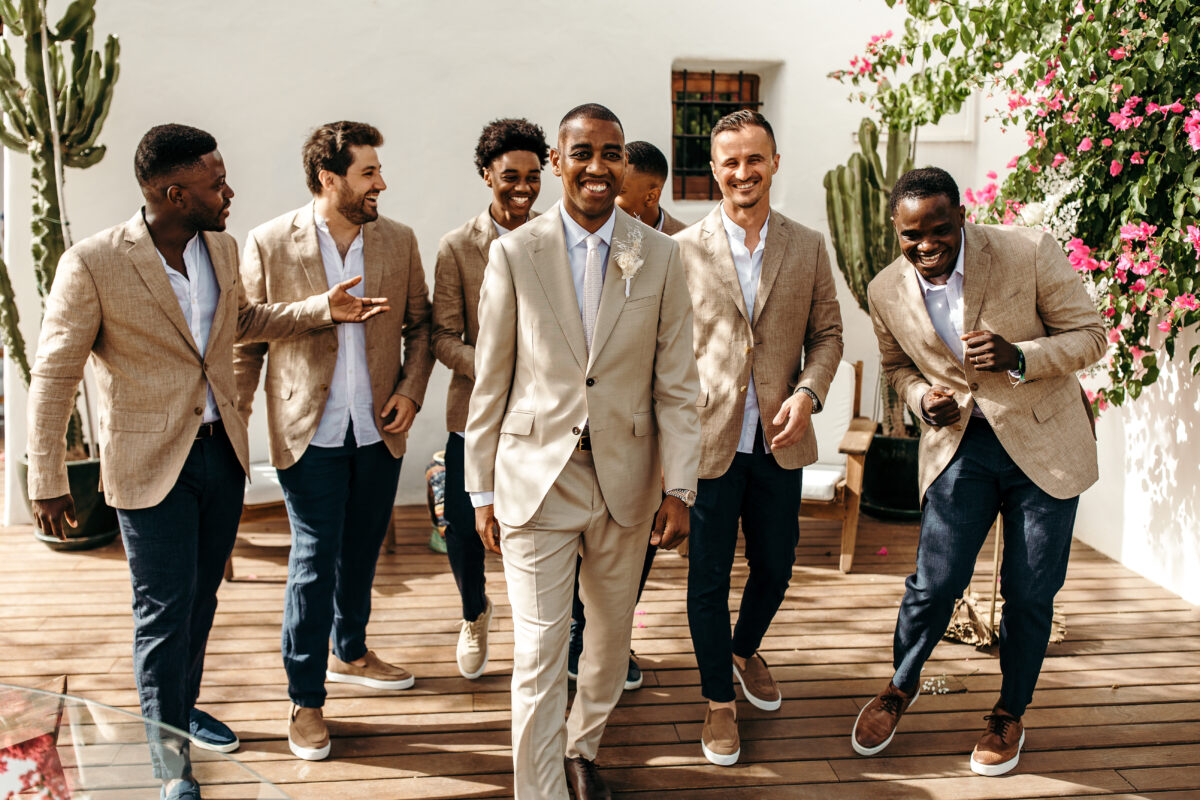
What do wedding planners and etiquette experts say about multiple best men?
- According to a recent article on Brides, there is no strict rule that you can only have one best man — couples are free to do what feels right.
- The Knot says: “You don’t have to choose between the most important guys in your life. If you have more than one very important ‘best man’ in your life… choose more than one.”
- Regarding how many, many professionals recommend no more than two or three best men — otherwise the title may become less meaningful.
- Giving two or more best men is completely workable, provided you split tasks and communicate clearly.
Key takeaway: You’re free to choose multiple best men, but too many may dilute the role and create logistical or perceptual issues.
Weddings today are more flexible than ever, allowing couples to customize traditions to suit their values and relationships. That includes the number of best men a groom chooses. While you’re absolutely free to select more than one, adding too many can unintentionally undermine the significance of the role. The title “best man” implies a singular level of closeness and responsibility. When shared among several people, it can create ambiguity: who takes the lead, who gives the speech, who holds the rings?
From a logistical standpoint, more best men mean more coordination — from fittings and rehearsals to speech planning and photo organization. Miscommunications are more likely with a larger group unless roles are carefully defined. Guests might also be confused about whom to approach for specific duties if there’s no clear structure.
Perceptually, having too many best men can make it seem like the title was handed out for the sake of fairness rather than deep significance. Instead of highlighting a unique bond, it could feel like a participation award to some observers. This doesn’t mean you shouldn’t include close friends or family — it just means the label “best man” should be used intentionally. You can always honor others with different roles: groomsmen, ushers, or special acknowledgments in the ceremony. The key is to maintain meaning, ensure smooth logistics, and make your decisions feel authentic to you and your relationships.
How Many Is Too Many?
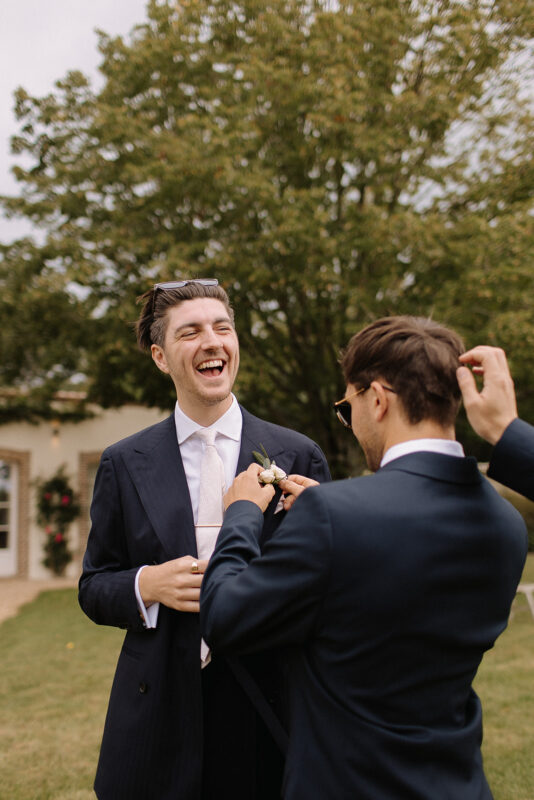
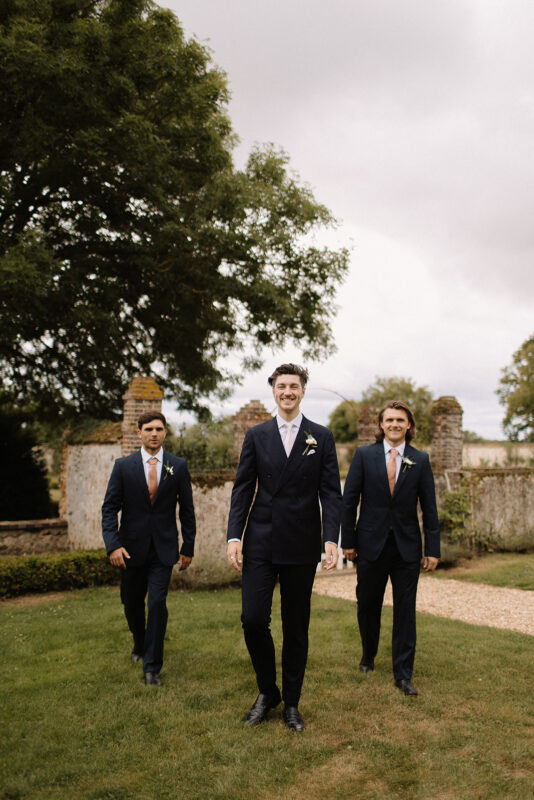

If you’re going beyond just one, when might it become problematic?
Potential issues:
- Dilution of the title: If you have 5 or 6 “best men,” the title may lose special meaning.
- Logistical confusion: Without clarity, tasks can overlap or be missed.
- Photo & ceremony aesthetics: Many best men standing at the altar could crowd the setup.
- Feelings and expectations: Ambiguity about roles or standing among best men.
Practical recommendation:
A reasonable working number is one to three best men. More than that is possible, but you’ll need to actively plan duties and preserve the meaning of the role.
As a wedding officiant, I’ve seen firsthand how the number of best men can shape the flow and tone of a ceremony. One wedding stands out in particular: the groom had three best men—his brother, a college roommate, and a childhood friend. Each was incredibly important to him, and while the choice made perfect emotional sense, it required extra coordination behind the scenes.
Before the ceremony, we had to clarify who would handle each duty. One was tasked with ring security, another with the speech, and the third with coordinating the groomsmen. We had a joint call the week before to walk through the timeline and ensure everyone knew their role. Without that prep, it could’ve easily felt chaotic.
From my perspective, one to three best men is manageable. Beyond that, the ceremony risks losing focus. But when it’s done with intention and structure, multiple best men can enrich the experience meaningfully.
Why You Might Choose Two (Or More) Best Men
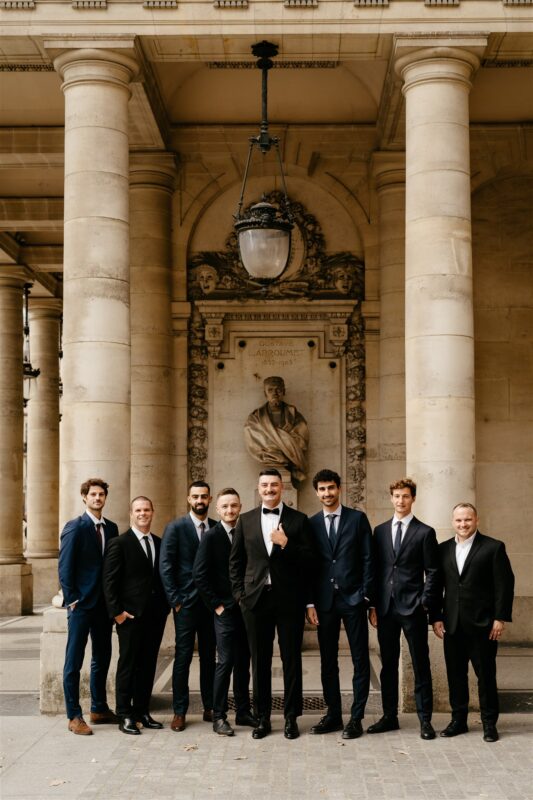

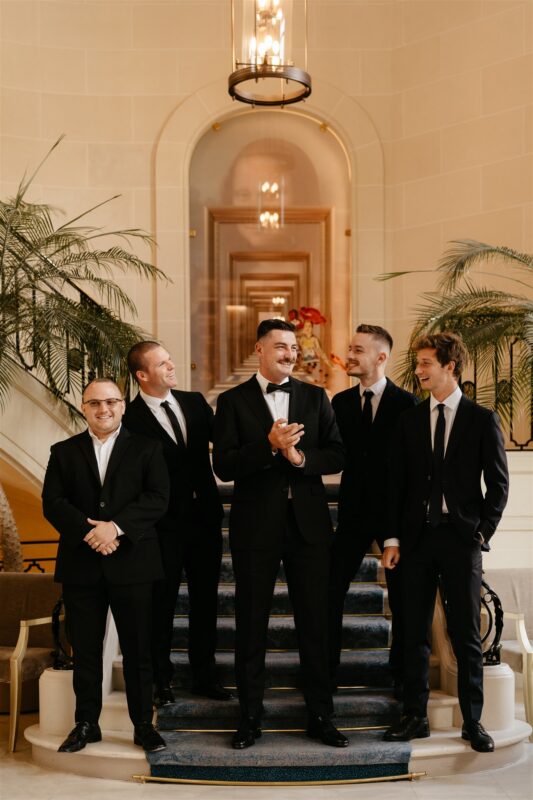
There are good reasons many modern grooms choose more than one best man:
Reasons
- Equal significance of relationships: Choosing multiple best men can avoid hurt feelings.
- Divide responsibilities: The role can carry many duties that are easier to share.
- Reflect modern relationships: Weddings now are about personal expression.
- Inclusive and fair: Sharing the “best man” title acknowledges all important relationships.
- Photography and ceremony balance: Visually balanced setups can be more appealing.
Summary
Having two or even three best men makes sense and is widely accepted. What matters is how you define and communicate the role.
Having two or even three best men makes sense and is widely accepted in modern weddings. What truly matters is how intentionally you approach it—how you define their responsibilities and communicate those roles to everyone involved. As an officiant who’s presided over ceremonies from vineyards in Tuscany to coastal resorts in Mexico, I’ve seen firsthand that meaningful planning outweighs strict tradition every time.
In international wedding settings especially, I’ve watched grooms honor deep friendships that span continents—like a best man from childhood in London, one from college in New York, and another from a work assignment in Singapore. These weren’t just titles; they were acknowledgments of different chapters in a life well-lived.
When each best man is given a thoughtful place in the ceremony—perhaps one gives a reading, another helps seat VIP guests, and another assists behind the scenes—it becomes a true celebration of the groom’s support system. Done right, multiple best men can deepen the emotional impact of the day.
How to Decide the Number and Who to Choose


Deciding how many best men and who they should be involves both emotional and practical considerations.
Step-by-step:
- List your top people
- Match to the role’s demands
- Consider fairness and balance
- Think of the bigger party
- Decide on number
- Define roles clearly
- Ask them
- Communicate to the wedding party
Example in Context
If your wedding includes multiple important figures, you might give all three the title “Best Man” with clearly subdivided duties. The title is less important than clarity and meaning.
Naïm’s memories : In one ceremony I officiated, the groom chose to name his two cousins and his childhood best friend all as “Best Men.” Rather than worrying about the tradition of having a single best man, he prioritized honoring the unique role each played in his life. During planning, we worked together to assign clear, distinct responsibilities—one managed the bachelor party, another held the rings, and the third delivered the toast. On the day, everything ran smoothly because expectations were clearly communicated. This approach allowed the groom to celebrate his closest relationships without diminishing the role’s significance or causing any logistical confusion.
Duties & Logistics When You Have More Than One Best Man
When you choose more than one best man, you’ll need to divide tasks and avoid overlaps. Below is a breakdown of duties and tips for sharing them.
Typical Best Man Duties
- Organise the bachelor party
- Coordinate with groomsmen
- Hold the rings during the ceremony
- Stand next to the groom
- Sign as witness (if applicable)
- Give a speech or toast
- Support the groom emotionally and practically
- Assist with post-wedding logistics
Splitting Duties
| Best Man A | Best Man B | Best Man C (if any) |
|---|---|---|
| Bachelor party lead | Ring-holder | Speech giver |
| Suit coordination | Ceremony lead | Reception host |
| Vendor contact | Guest liaison | Gift manager |
Tips for success:
- Hold a kickoff meeting with all best men.
- Create a shared task list.
- Decide who speaks and in what order.
- Ensure one best man is the lead contact on the day.
Notes for European Weddings
At my ceremonies a best man is a symbolic role, nothing more, and nobody has to sign anything. My ceremonies are symbolic and carry no legal value. French administration is a nightmare and, for a couple coming from abroad, it is not worth it: most of my couples sign at home, before or after the trip. What is left to decide is the fun part: who stands where, who says what, and how a bilingual room follows along.
Etiquette and Cultural Considerations
Choosing best men isn’t just practical — it involves traditions and expectations.
Modern etiquette trends
- Reflect your values, not outdated rules.
- Inclusive language like “best person” is common.
- Multiple meaningful relationships are often acknowledged.
Cultural/Regional notes
- Announce multiple best men clearly.
- Provide equal gifts and recognition.
- Coordinate ceremony procession and speech order.
- Plan photos with multiple best men in mind.
Pros and Cons of Having Multiple Best Men
Pros
- Avoids choosing between close friends.
- Distributes workload.
- More support and emotional backup.
- Reflects modern values.
- Adds balance to large wedding parties.
Cons
- May dilute the title.
- Could cause confusion if roles aren’t clear.
- Coordination takes more effort.
- Risk of perceived inequality.
Summary
With thoughtful planning, the pros outweigh the cons when having multiple best men.
How This Works in a French or European Wedding Context
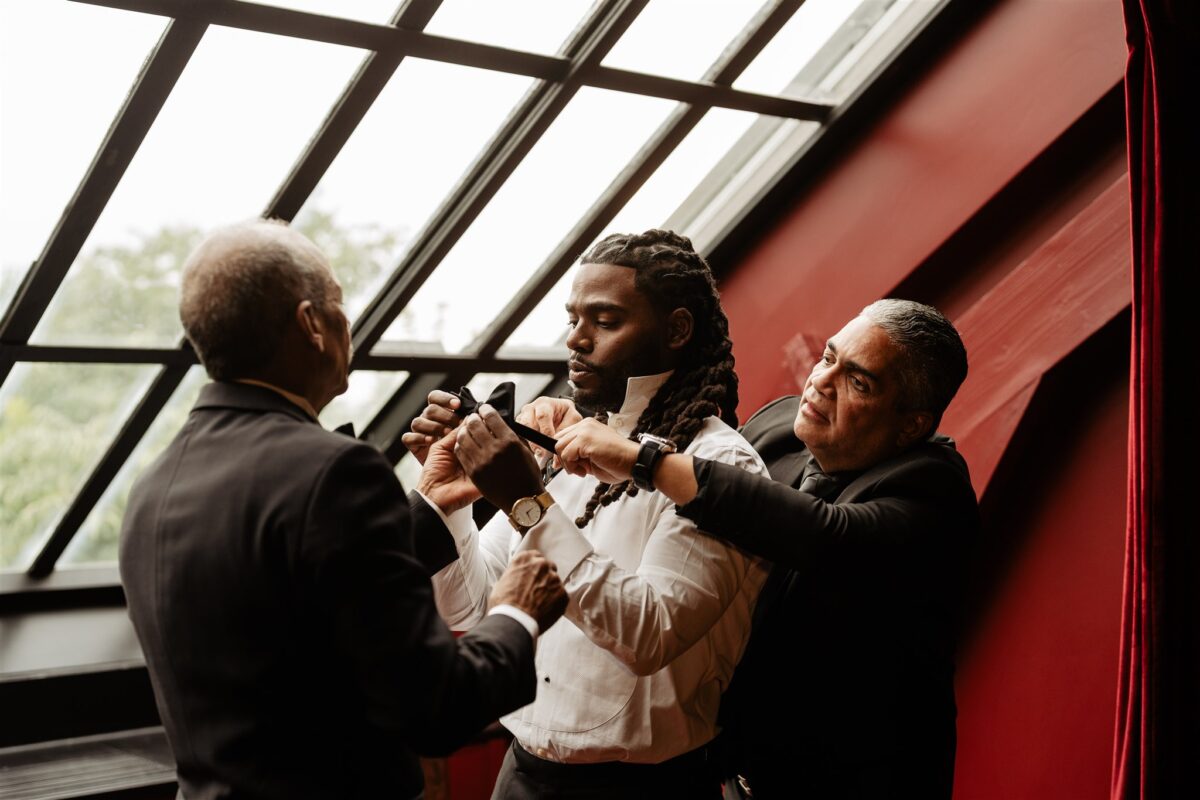
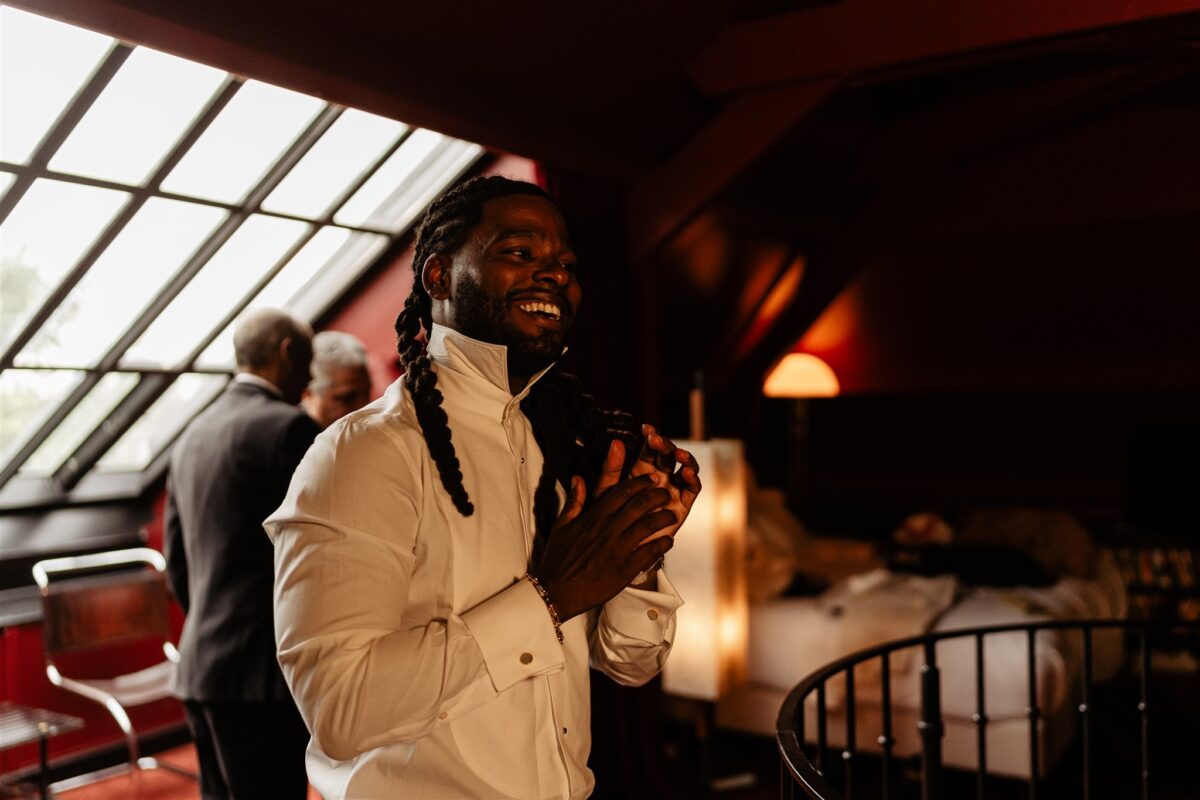
In France or other European settings, the cultural nuances matter more than any rule: language, who speaks first, and how a bilingual room follows. Best men stay symbolic with me: friends who stand beside the groom, with no paperwork attached.
Planning tips
- Communicate clearly to guests, especially across cultures.
- Consider bilingual programs or announcements.
Frequently Asked Questions (FAQ)
Q: Can I have more than one best man?
A: Yes. There are no rules limiting you to just one.
Q: Is there a limit?
A: No formal limit, but up to three is practical.
Q: Do best men have to be male?
A: No. Many weddings now have “best women” or “best persons.”
Q: How do we divide duties?
A: Assign specific responsibilities to each best man.
Q: Will guests be confused by multiple best men?
A: Not if you explain clearly in the program or through the MC.
Checklist: Planning Your Best Man(s) Setup
- List potential best men
- Decide how many to have
- Talk to each one about the role
- Define and assign duties
Conclusion
There’s no limit to how many best men you can have; the right number is the one that reflects your relationships and works logistically for your day. Clear roles and communication are key to making it successful.

Pingback: Why You’ll Never See Me in Your First Kiss Photos - Paris Celebrant