
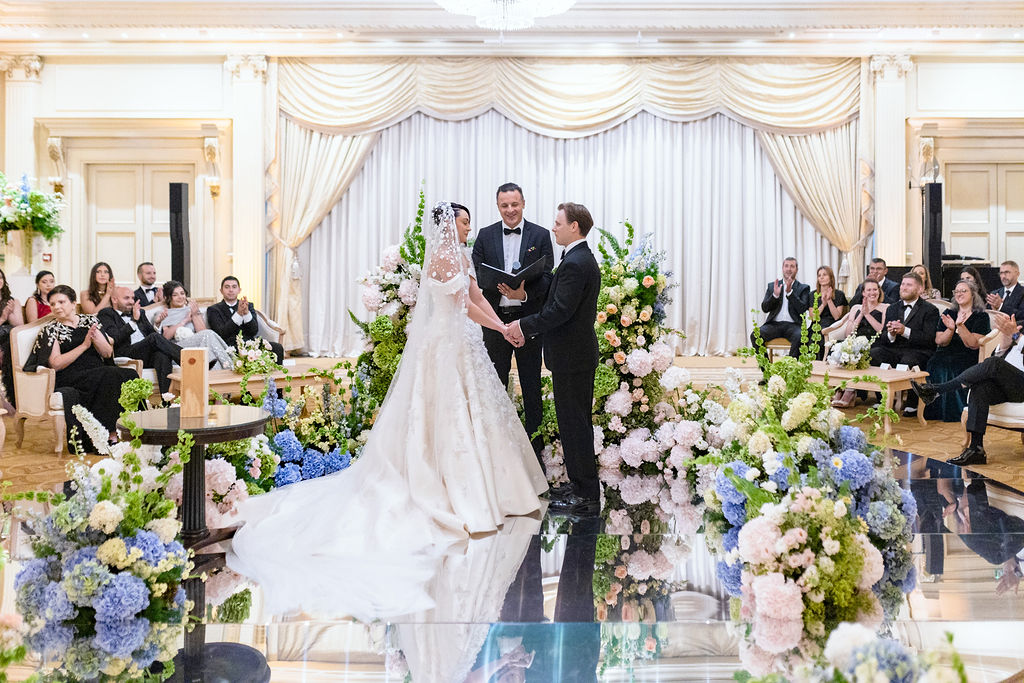
Planning a wedding in Paris, the City of Love, is a dream for many couples around the world, especially for Americans and international partners who envision an elegant, romantic, and unforgettable ceremony in one of the world’s most iconic destinations. But while choosing a venue and setting the date are obvious steps, booking a professional Paris wedding officiant is equally critical. Your celebrant isn’t just a speaker; they are the heartbeat of your ceremony.
This guide breaks down exactly how to find, vet, and book a qualified English-speaking officiant for your Paris wedding. Whether you’re planning a symbolic elopement at the Eiffel Tower, a luxury celebration at the Ritz, or a private vow renewal in a Parisian garden, having the right officiant will ensure your ceremony is meaningful, personal, and flawlessly executed.
Read on to discover everything you need to know, from understanding what a symbolic ceremony is (and is not) to how far in advance you should book. This article is written from the perspective of an experienced local celebrant, offering real insights that apply specifically to destination weddings in Paris.
How to Book a Wedding Officiant in Paris
To book a professional Paris wedding officiant, research English-speaking celebrants, review their past work and reviews, confirm their availability, discuss your ceremony vision, and secure your date with a contract and deposit, ideally 6-12 months in advance.
Understanding the Types of Ceremonies in Paris
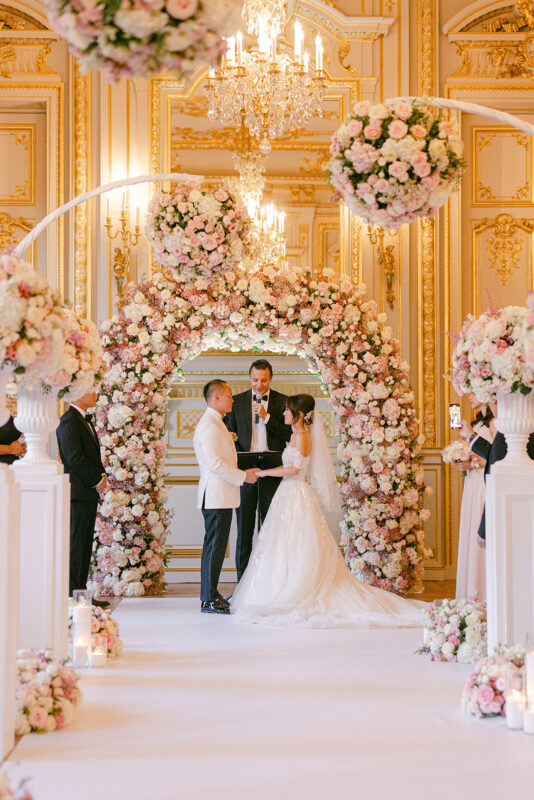


Before you even contact an officiant, it’s important to know what kind of wedding ceremony you are planning. Most couples getting married in Paris, especially couples coming from abroad, will have a symbolic ceremony, not a legal one.
Types of Ceremonies You Can Book in Paris:
- Symbolic Ceremony
- Vow Renewal
A symbolic ceremony is non-legally binding and offers full creative freedom. It can include vows, readings, rituals, and spiritual elements. My ceremonies are symbolic and carry no legal value. French administration is a nightmare and, for a couple coming from abroad, it is not worth it: most of my couples sign at home, before or after the trip.
What This Means for You:
- You will likely need a symbolic ceremony officiant
- Legal paperwork will be handled in your home country
- You have full control over the ceremony content
Understanding these distinctions helps you communicate clearly with your officiant and plan the ceremony you truly want.
In many ways, symbolic ceremonies are more flexible and emotionally resonant than legal ones. Without the constraints of civil protocol, couples are free to weave in meaningful elements like hand-written vows, spiritual readings, or cultural rituals.
You might include a bilingual welcome to honor French guests, or a unity ritual like lighting a candle or blending sand. With the right officiant, your symbolic ceremony becomes an experience that’s not just beautiful, it feels sacred.
Did You Know?
Some couples choose to sign a decorative “symbolic marriage certificate” during their Paris ceremony to mark the moment and make it feel official, even if the legal paperwork was handled at home.Symbolic weddings allow couples of all faiths, backgrounds, and beliefs to craft something personal. This flexibility makes Paris particularly attractive for multicultural unions and interfaith celebrations.
Pro Tip:
You can include rituals from both partners’ cultures. For example, a Filipino-American couple I worked with included a cord-and-veil ceremony followed by the French tradition of “le ruban” where guests write wishes on ribbons tied around the bouquet.
Where to Find Professional Officiants in Paris


Finding a reputable officiant may seem overwhelming when planning from abroad. But Paris has a vibrant wedding industry that includes several experienced, English-speaking celebrants who specialize in destination weddings.
Instagram is especially powerful for visualizing style and tone. Look for hashtags like #parisweddingcelebrant, #parisofficiant, and #destinationweddingparis. Explore reels or clips of officiants speaking so you can sense their voice, delivery, and presence.
Also, ask your planner or photographer for recommendations. They’ve seen countless weddings and can vouch for celebrants who are reliable, collaborative, and warm with guests.
Be cautious of officiants with no local address or who only offer cookie-cutter scripts. You want someone who lives in or regularly works in Paris, not just a one-time visitor. Authenticity matters, not just for the script, but for knowing the weather, traffic, and Paris rhythm.
Also, explore French wedding Facebook groups (especially expat ones). Many couples share real vendor experiences there, and you may find behind-the-scenes feedback you can’t get from polished websites.
Where to Start Your Search:
- Google and SEO-optimized wedding blogs
- Instagram (look for tags like #parisofficiant, #theparisiancelebrant)
- Vendor directories like French Wedding Style, Carats & Cake
- Recommendations from your wedding planner or photographer
- YouTube and Vimeo for officiant video reels
Things to Look For:
- Fluency in English (bilingual is a bonus)
- Experience with symbolic or destination weddings
- Professional website with ceremony options and testimonials
- Responsive communication and availability for virtual calls
Once you find 2-3 options, it’s time to reach out and begin the conversation.
How to Vet and Choose the Right Officiant
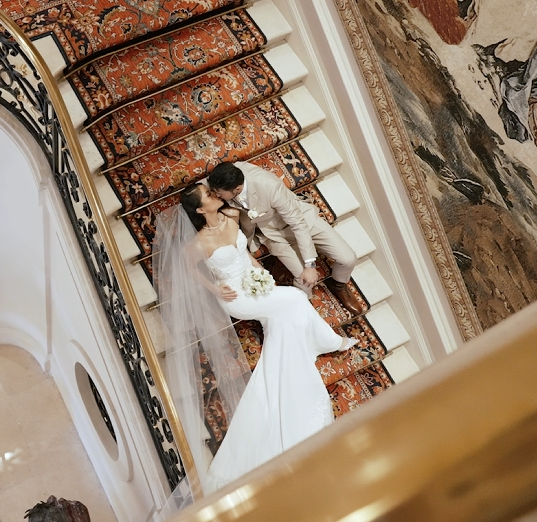


Choosing your officiant isn’t just about availability. You want someone who can tell your love story with warmth, elegance, and clarity. Your officiant should feel like a creative partner, not just a vendor.
Vetting Your Celebrant: What to Ask
Before booking, set up a video consultation to ensure you’re aligned on vision, tone, and structure.
Key Questions to Ask:
- How long have you been officiating weddings in Paris?
- Do you offer custom ceremony scripts?
- Can you work in English (and French if needed)?
- Do you assist with writing vows or suggest rituals?
- Can you serve as MC or coordinate with other vendors?
- What are your backup plans if there are delays or bad weather?
After the Call:
- Review their sample video & hear their voices again (it helps!)
- Read multiple testimonials or Google reviews
- Confirm your gut feeling about their style and tone
Booking Timeline: When to Reserve Your Paris Officiant
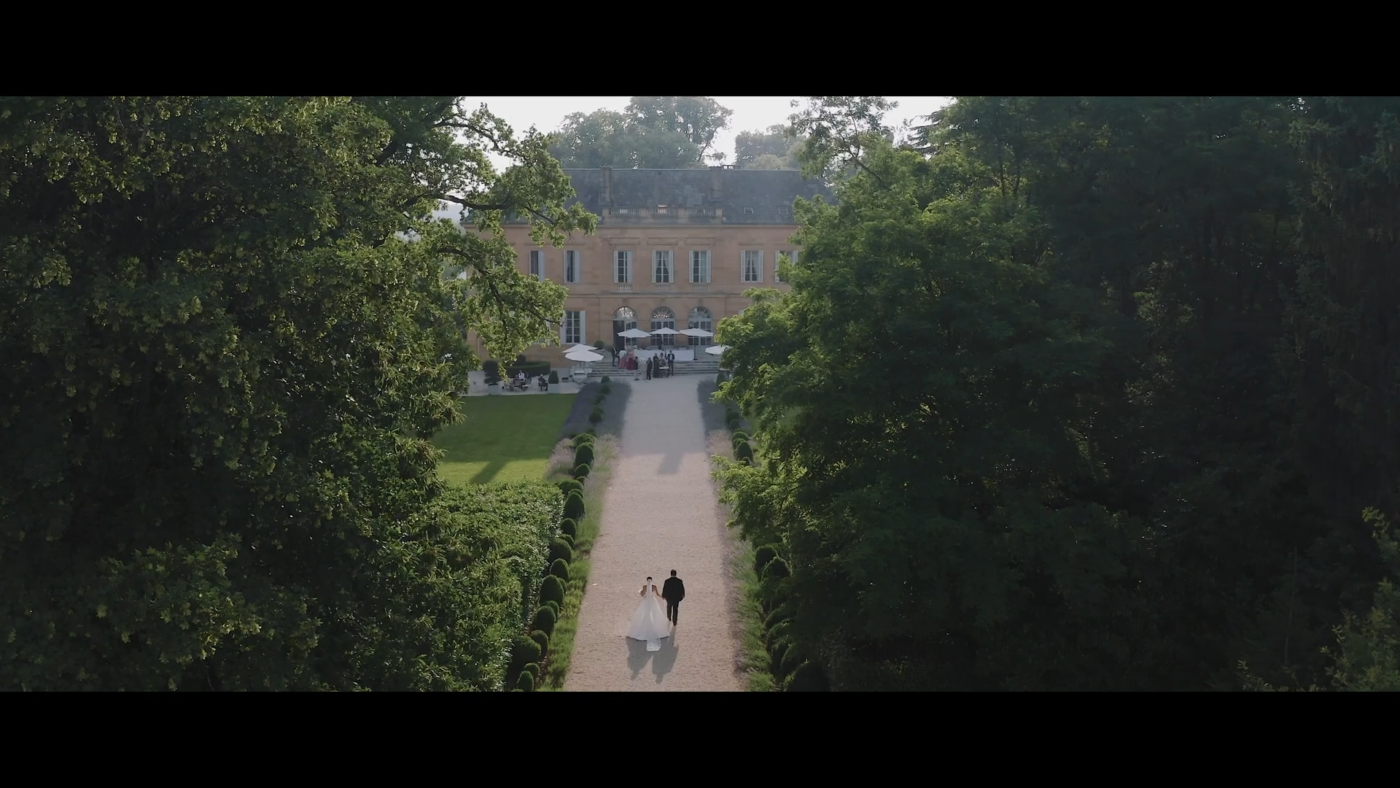


Timing is everything, especially for destination weddings.
Ideal Booking Window:
- 12 Months Before: Highly recommended for peak seasons (spring and summer)
- 6-8 Months Before: Still good for most ceremonies
- 3 Months or Less: May limit your options
Booking early gives you more flexibility for venue coordination, ceremony planning, and vendor alignment. Paris is a competitive wedding destination, so secure your officiant as soon as your date and venue are confirmed.
Booking Checklist Table:
| Step | Action | Timeline |
|---|---|---|
| 1 | Research officiants | 12 months before |
| 2 | Book consultation call | 11-12 months before |
| 3 | Confirm pricing and contract | 10 months before |
| 4 | Share ceremony vision | 9-8 months before |
| 5 | Start script personalization | 6 months before |
| 6 | Review final draft | 1 month before |
What a Professional Paris Officiant Includes

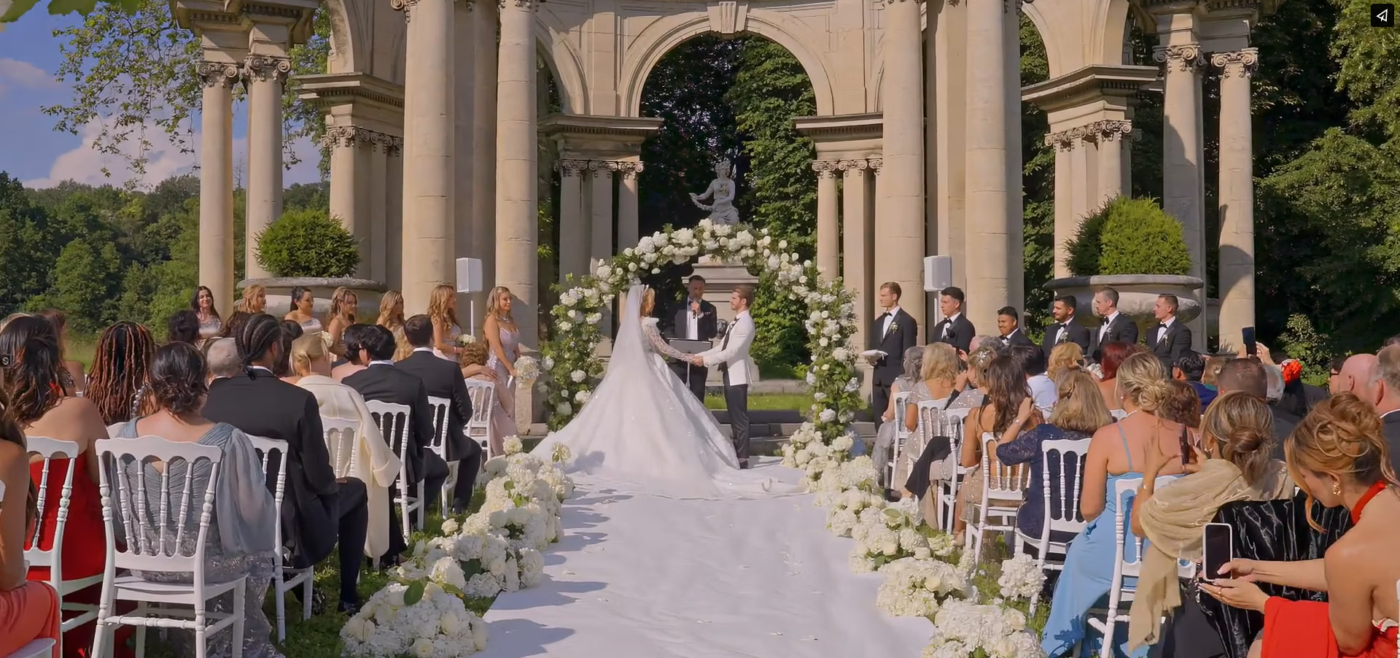
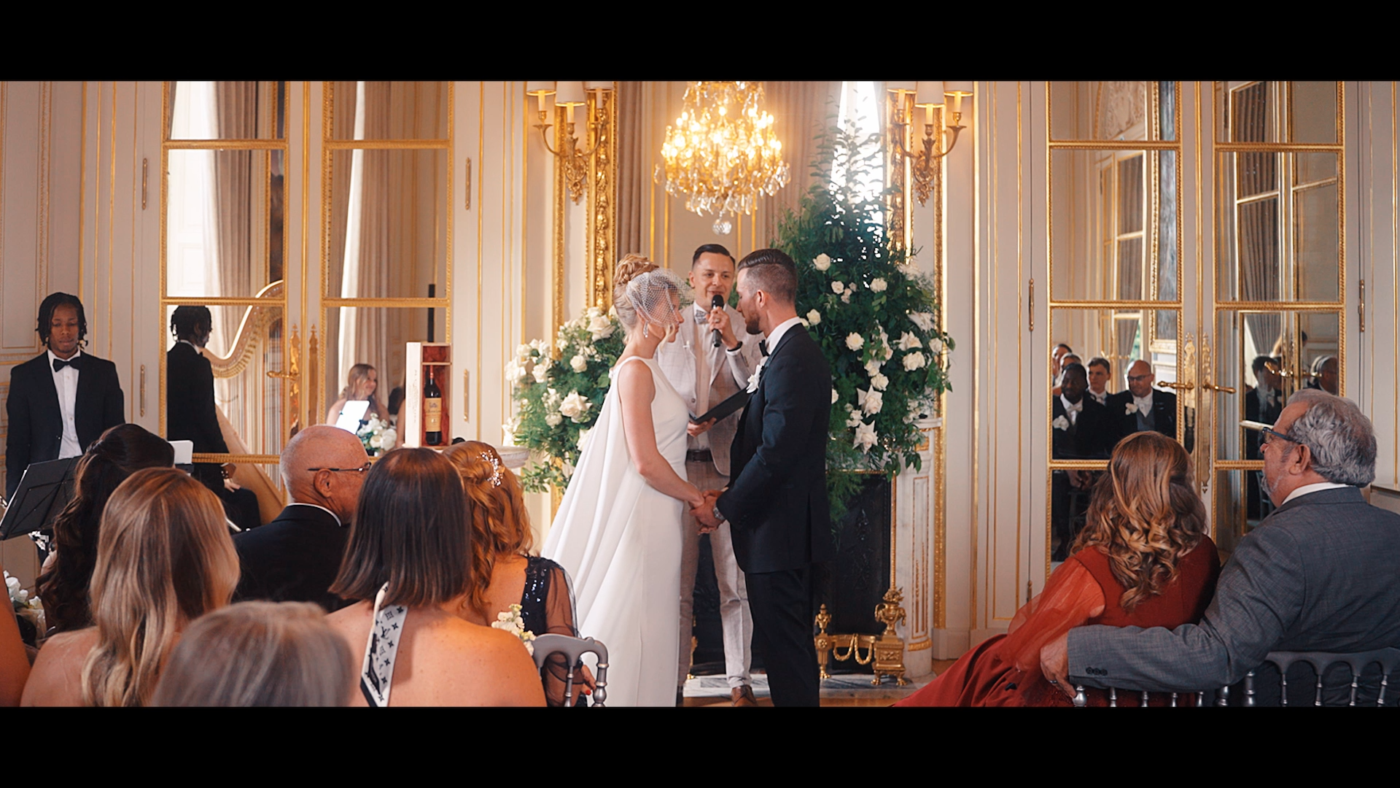


Every officiant is different, but a full-service, professional celebrant in Paris will offer more than just a script.
Commonly Included Services:
- Pre-wedding consultations via Zoom
- Full custom ceremony creation
- Optional rituals (e.g. handfasting, sand ceremony)
- Rehearsal or walkthrough session
- Day-of coordination with vendors
- Ceremony officiating (bilingual if needed)
- Printed scripts or keepsake vows
- Add-on MC services (for speeches, transitions, etc.)
Having one professional guide the emotional arc of the day from vows to reception ensures elegance, clarity, and flow. It also reduces vendor fatigue, especially for international guests who may not speak French.
In many cases, professional officiants will also help you structure your ceremony timeline, especially if you’re not working with a full-service planner. From cueing music to managing processional order, they ensure the ceremony unfolds with emotional pacing and technical polish.
Real Example:
For a couple marrying at the Shangri-La Hotel, I helped coordinate a grand entrance down the marble staircase. We timed the music, adjusted lighting, and rehearsed transitions with the photographer so the couple felt confident and serene walking into their moment.One of the lesser-known roles of a good celebrant is emotional pacing. A great officiant will sense when to pause for a moment of breath after the vows, or how to gently shift from laughter to sincerity. These nuances are subtle, but crucial.
Behind the Scenes:
During one ceremony at the Shangri-La Paris, the bride became emotional before reading her vows. We paused, let her breathe, and I subtly guided the audience to a moment of quiet respect. These human instincts can’t be scripted, they come with experience.
What Makes One Officiant Cost More Than Another


Two quotes for what looks like the same ceremony can be far apart, and the gap is almost never about the twenty minutes on the day. It is about what happens before, and how much of the evening the officiant carries.
What Actually Moves a Quote:
- Ceremony only, or ceremony and reception. Carrying the evening as MC is a second job, not an add-on.
- One language or several. A bilingual script is written twice over, not translated once.
- Central Paris or a venue outside the city. A château in Île-de-France or a garden in Versailles means early arrival, sometimes an overnight stay.
- How much is written from scratch. A questionnaire filled into a template and a ceremony built from a one hour conversation are not the same object.
Keep in mind that the fee reflects preparation, not ceremony time. A seasoned officiant will spend ten to fifteen hours or more crafting and personalising your script, holding planning calls, managing vendor logistics, and reviewing cues.
Always ask what is included before signing, and ask for it in writing. The question to put to any candidate is not “how much” but “what do I get for that, and what is extra”.
Some officiants also collaborate with photographers or planners on elopement packages. If you are eloping, these curated experiences often save both time and coordination. For a ceremony with me, tell me your date, your venue and the languages in the room and you get a real figure rather than a bracket.
Legal vs Symbolic Weddings in France
This is one of the most misunderstood aspects of a Paris wedding.
My ceremonies are symbolic and carry no legal value. French administration is a nightmare and, for a couple coming from abroad, it is not worth it: most of my couples sign at home, before or after the trip. That is why most foreign couples opt for a symbolic ceremony in Paris. There is more on this in can an American elope in Paris.
A symbolic ceremony allows more creativity, less paperwork, and the freedom to hold your event at any venue or outdoor location.
What This Means for Booking:
- Your Paris officiant doesn’t need legal authority
- Focus on personalization and ceremony script
- You get the beauty of a wedding in Paris without the paperwork
If you want to include a symbolic signing moment in your ceremony, many officiants offer a decorative certificate for photos and keepsake value. This gives the experience a ceremonial finish, even if your actual marriage license was processed back home.
This symbolic signing can also involve witnesses or family members, adding emotional gravity to the occasion. For many couples, this moment is just as meaningful as the legal act itself.
In recent years, symbolic ceremonies have gained legitimacy in the eyes of guests. Even older generations, once focused on legal validation, now embrace symbolic vows because they capture emotion better. What matters is the memory, the language, and the environment, not the paperwork.
One Couple’s Choice:
A couple from Boston legally wed at their town hall, but saved their vows for Paris. They shared them in front of 12 guests near Pont Alexandre III at sunset. It wasn’t legally binding, but they called it their “real” wedding, and so did their families.
How Your Officiant Coordinates With Your Planner
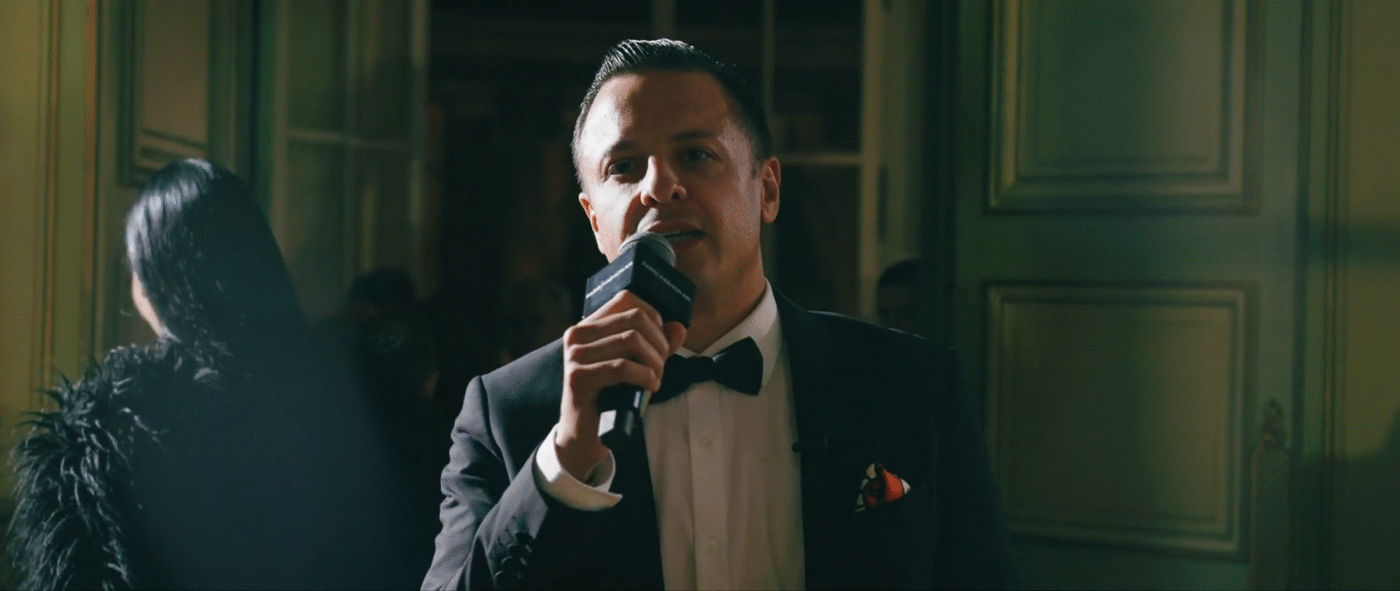
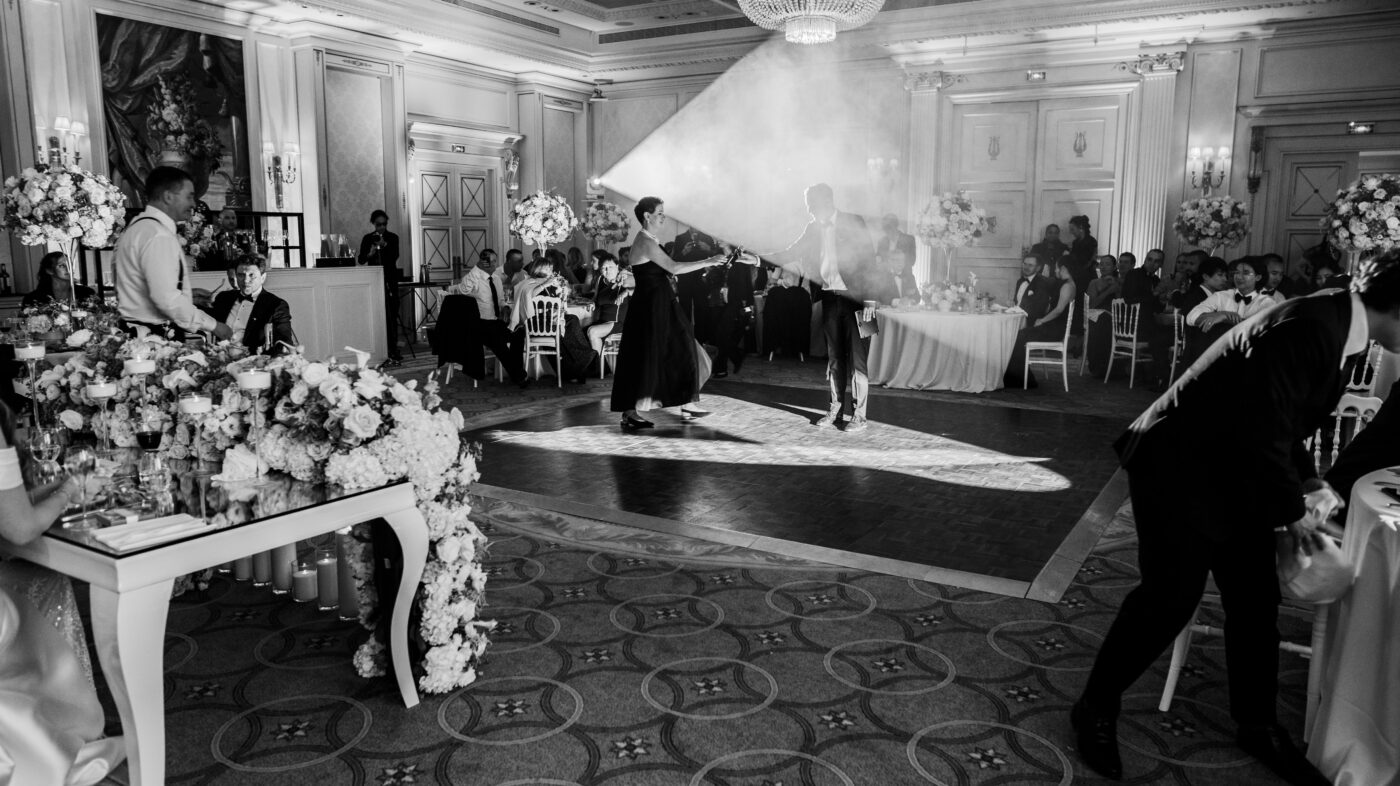
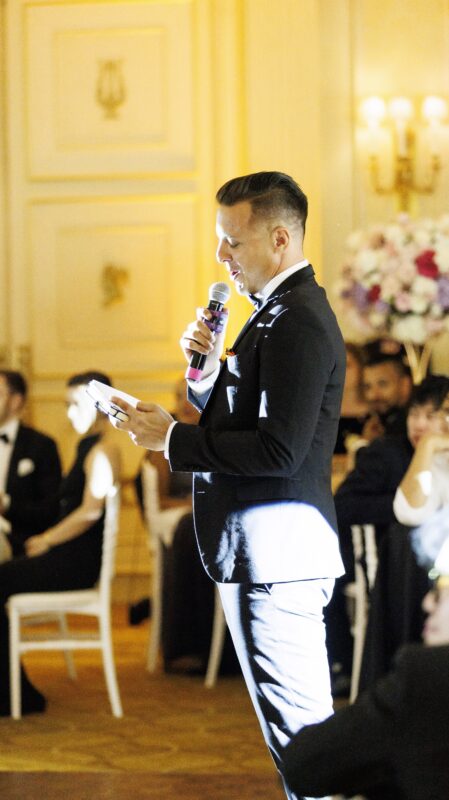
A top-tier Paris officiant will not work in isolation. They coordinate directly with your wedding planner, photographer, videographer, and DJ to ensure every element of your ceremony flows perfectly.
Key Collaboration Points:
- Timeline creation and ceremony start cues
- Microphone/audio checks and placement
- Music transitions and vow exchange timing
- Coordination with readers, speakers, and MC transitions
This integration ensures that your ceremony is not just heartfelt but professionally timed and technically seamless. More on that role on the master of ceremonies page.
Mistakes to Avoid When Booking Your Officiant
Planning a wedding abroad has its learning curve. Avoid these common pitfalls:
What NOT to Do:
- Waiting too long to book (especially in high season)
- Not checking for English fluency or cultural compatibility
- Skipping a video call before booking
- Choosing someone who doesn’t know Paris venues
- Not asking for sample scripts or references
Instead, treat your celebrant like your ceremony director. The right professional will bring calm, clarity, and class to your Paris wedding.
Another mistake couples make is underestimating how crucial tone and energy are in an officiant. It’s not just about speaking well, it’s about holding emotional space. Your celebrant sets the tone for one of the most important moments of your life. Don’t compromise on chemistry.
Also avoid hiring a celebrant who doesn’t understand the logistics of Paris venues. Many outdoor locations (like the Trocadéro or Parc Monceau) have timing restrictions, access limitations, or need careful audio planning. Choose someone who knows the city inside and out, and see where to elope in Paris for what each location actually asks of you.
One other major misstep is relying solely on text or email. Tone, energy, and presence can only be felt on a video call. Book a Zoom session, even if it’s short. You’ll know immediately if the connection feels right.
Also avoid overloading your ceremony with too many elements. One reading, one ritual, and personal vows are more powerful than ten mixed ideas. Let your officiant help you balance structure with emotion. Simplicity often resonates deeper.
Conclusion
To book a professional Paris wedding officiant, research English-speaking celebrants, review their past work and reviews, confirm their availability, discuss your ceremony vision, and secure your date with a contract and deposit, ideally 6-12 months in advance.
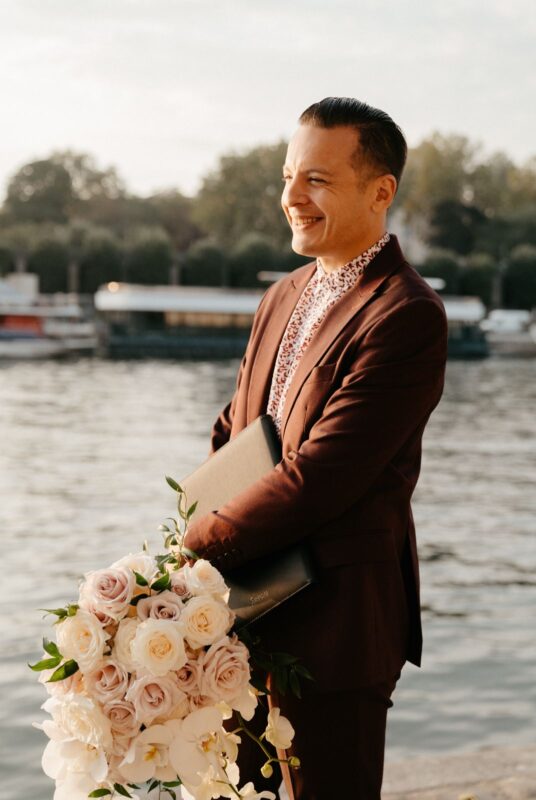

Planning your ceremony in France?
Tell me your date and your story. I read every message myself and write back personally within 24 hours.
Get your personal quote within 24 hours